Experiencing a soft brake pedal can be a disconcerting issue for drivers. In Whitehouse, TX, where the roads can change from smooth to bumpy in an instant, having reliable brakes is essential. A soft brake pedal not only compromises your vehicle's stopping power but also poses a significant safety risk. Understanding the causes of this problem and knowing how to address it can help maintain optimal braking performance.
Understanding the Brake System
Before delving into the specifics of soft brake pedal issues, it's essential to understand how your vehicle's brake system works. Modern vehicles typically use either disc or drum brakes, with most relying on hydraulic systems. When you press the brake pedal, hydraulic fluid transfers force to the brake components, allowing the vehicle to slow down or stop.
The primary components involved include:
- Brake Pads: These create friction against the rotors to slow down the wheels. Brake Rotors: The metal discs that the pads clamp around to stop rotation. Brake Calipers: These house the pistons that press against the pads. Brake Fluid: This hydraulic fluid transfers force from your foot on the pedal to the brakes themselves.
If any part of this system fails or becomes compromised, it can lead to issues like a soft brake pedal.
Common Causes of a Soft Brake Pedal
Identifying why your brake pedal feels soft or spongy is vital for safe driving. Here are some common culprits:
1. Air in the Brake Lines
One of the most frequent causes of a soft brake pedal is air trapped in the hydraulic lines. When air enters these lines, it compresses more easily than fluid does when you press down on the pedal. This results in a spongy feel rather than immediate responsiveness. Air often gets into brake lines during repairs or if there’s been a leak somewhere in the system.
2. Low Brake Fluid Levels
Another straightforward yet critical reason for a soft brake pedal is insufficient brake fluid. If levels are low due to leaks or improper maintenance, there will not be enough fluid to transfer force effectively through the system. Regularly checking and topping off your brake fluid can prevent this issue and ensure smooth braking.
3. Worn Brake Components
Over time, various parts of your braking system wear out due to heat and friction from regular use. Worn-out brake pads can lead to uneven pressure distribution across your braking system, which may manifest as a soft feeling when pressing on the pedal. Similarly, failing rotors or calipers can degrade performance.
4. Faulty Master Cylinder
The master cylinder is crucial as it generates pressure for braking by pushing fluid through the lines when you depress the pedal. If it has internal damage or wears out over time, it may not create enough pressure, resulting in a softer feel at the pedal.
5. Damaged Brake Lines
Brake lines can corrode or become damaged over time due to exposure to road salt and moisture. Any leaks will compromise braking performance by allowing fluid to escape instead of being directed toward your brakes when needed most.
Diagnosing Soft Brake Pedal Issues
When faced with a soft brake pedal, diagnosing potential issues should be done promptly and thoroughly for safety reasons:
Visual Inspection
Start by visually inspecting your vehicle's undercarriage for any visible leaks around hoses and connections leading from the master cylinder through to each wheel's caliper or drum assembly.
Check Brake Fluid Levels
Open up your vehicle's hood and inspect your master cylinder reservoir; if it's low on fluid, top it off with manufacturer-recommended fluid until you can have it checked by a qualified mechanic.
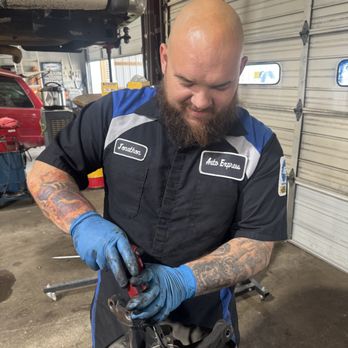
Test Drive Evaluation
A test drive can provide additional insights into how well brakes respond while driving at various speeds and conditions: gently pressing down on them should yield consistent resistance without unusual sounds.
Solutions for Soft Brake Pedal Repair
Once you have identified potential causes for your soft brake pedal issue, here are practical solutions that might help:
Bleeding Your Brakes
If trapped air is suspected as an issue causing softness at your pedals, bleeding your brakes should be one of your first steps after checking fluid levels. This process removes air bubbles from within hydraulic lines—often best handled by experienced mechanics who know exactly how much pressure each component needs during repairs.
Replacing Worn Components
If worn-out pads or rotors are found during inspections leading up to repairs based on diagnostics mentioned above—replacing them will restore necessary friction levels while also enhancing overall performance efficiency across all driving conditions.
Master Cylinder Replacement
In cases where internal failure has been confirmed as being caused by wear/degradation—if necessary replacing this key component could solve persistent issues related directly back towards reduced stopping power felt through pedals when pressed down firmly at high speeds!
Repairing Damaged Brake Lines
Upon discovering ruptured pipes/breakage along routes delivering fluids directly onto respective calipers—a trained technician would need replace any damaged sections immediately before further deterioration occurs within safety-first brake repair Whitehouse entire setup leading towards catastrophic failure rates during emergencies!
Preventative Measures
Taking proactive steps now will save both time & money later down road so consider implementing these measures into routine maintenance schedules accordingly:
1) Regular Inspections: Have professional mechanics conduct thorough check-ups every six months focusing specifically upon brakes/suspensions aligning both systems optimally together ensuring they work harmoniously without compromising performance integrity overall.
2) Fluid Flushes: Changing out old contaminated fluids regularly keeps systems clear avoiding breakdowns stemming from buildup preventing excessive wear/damage occurring prematurely across different parts involved directly influencing reliability throughout life expectancy rate extending beyond average lifespan estimates given standard usage patterns observed locally here around East Texas regions predominantly affecting daily commuter vehicles alike!
3) Upgrading Parts When Necessary: As wear naturally occurs over extended periods—investing into higher quality replacements might prove beneficial long term reducing chances needing frequent repairs/service appointments due lack durability associated cheaper alternatives available within marketplace today competing heavily against those aiming deliver superior results consistently!
4) Paying Attention To Warning Lights/Signs Early On Can Save You Trouble Down The Line!
5) Keeping Track Of Mileage Driven Also Helps Determine When Services Needed For Maximum Efficiency During Use!
By staying informed about what causes soft pedals plus understanding how best approach resolving these challenges effectively—drivers like yourself living nearby Whitehouse TX area will remain confident knowing their vehicles operate safely whenever hitting open roads again shortly thereafter enjoying peace mind knowing brakes functioning properly throughout journeys undertaken collectively!
Through regular upkeep combined with diligent attention paid towards signs indicating something amiss; drivers ultimately benefit greatly while keeping themselves others safe during travels undertaken whether commuting alone family friends alike—all while enjoying beautiful scenery offered across East Texas landscape awaiting discovery just waiting outside front doors everywhere nearby!